An overview of casino-linked accommodation, dining, facilities and visit details, with booking terms kept distinct from promotional labels.
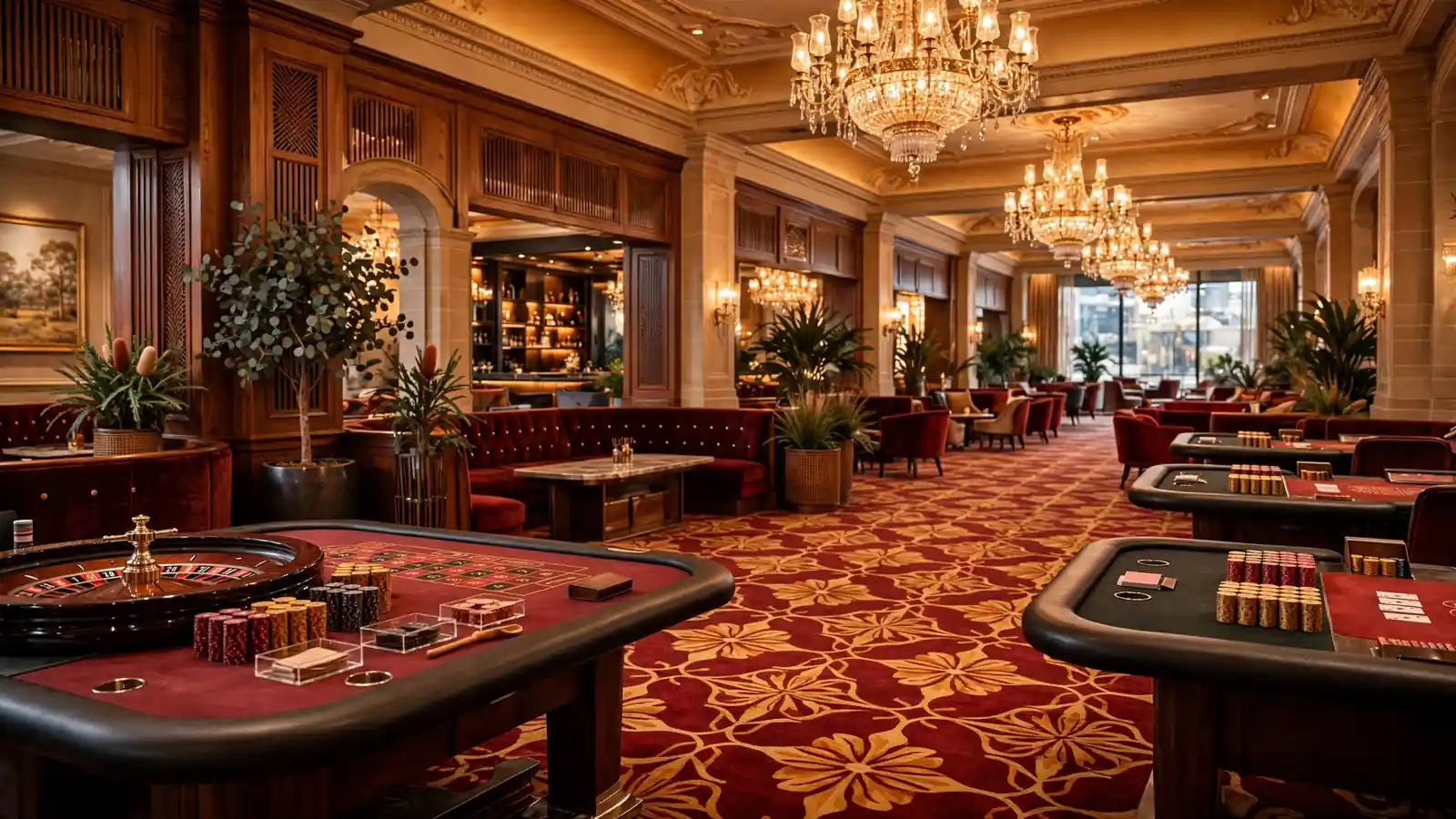
A casino hotel search can refer to a room sold by the casino operator, a stay bundled with another service, or simply a hotel booking associated with a casino visit. Those are not interchangeable. I separate them before comparing prices: the name attached to a booking does not, by itself, establish who provides the room or what the rate includes.
For a room presented as part of a casino stay, the useful details are concrete: the property name, room category, dates, total price, and the conditions attached to the reservation. A headline rate is not the full decision. The booking terms determine whether the price is fixed, what can be changed, and what happens if plans shift. If those points are not visible before payment, the offer is difficult to assess.
“Casino hotel deal” is a marketing label, not a description of value. A lower displayed price may have different conditions from a flexible rate, while a package may combine items that would otherwise be booked separately. I look at the total cost and the terms side by side, rather than treating a discount label as proof that the stay is cheaper. Small print matters. No slogan replaces it.
Choosing a casino in Victoria calls for checking the details that matter to your own play, rather than relying on a name alone. This list offers a concise reference to the available operator information for 2026.
Neospin
Neospin is listed with a Curacao Gaming Control Board licence, OGL/2023/176/0095, held by Hollycorn N.V.
Ricky Casino
Ricky Casino lists crypto payouts in under an hour and PayID payouts in 1–3 business days. The minimum deposit is A$20, or A$30 to qualify for the bonus.
Roby Casino
Roby Casino is listed under a Curacao eGaming licence held by Roby Games Ltd.
Uptown Pokies
Uptown Pokies is listed as Curacao-licensed and has been operating since 2017. Its minimum deposit is A$20.
7Bit Casino
7Bit Casino is listed as Curacao-licensed and operated by Dama N.V.
SpinsUp
SpinsUp is listed with a Curacao Gaming Control Board licence, OGL/2023/174/0082, held by Dama N.V.
Lucky Dreams
Lucky Dreams lists a A$20 minimum deposit via POLi and is licensed in Curacao.
LuckyVibe
LuckyVibe is listed with a Curacao Gaming Control Board licence, OGL/2023/176/0095, held by Hollycorn N.V.
Golden Pokies
Golden Pokies is listed as Curacao-licensed; no further operator details are provided here.
Bizzo Casino
Bizzo Casino is listed with a Curacao Gaming Control Board licence held by TechSolutions Group N.V.
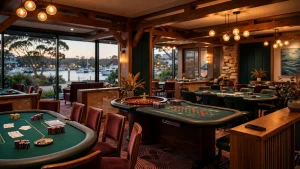
Room searches also benefit from a precise description. A room name alone does not explain its size, layout, view, accessibility, or included features. Those details should be stated in the booking information, not inferred from photographs or promotional language. Images can show a particular room or angle; they do not establish that every room in the category matches it. The wording of the selected category is what needs to align with the reservation.
The same care applies to the boundary between a hotel stay and casino access. A room booking does not, on its own, establish that any other service is included. Terms should identify what the price covers and what is separate. I would not read “resort” or “casino stay” as a promise about facilities, benefits, or access unless the booking spells them out. A broad label is not a condition.
There is also a practical difference between hotel availability and casino opening hours. Room check-in and check-out are lodging arrangements; casino hours concern the gaming venue. One schedule cannot be assumed from the other, and neither should be inferred from a hotel listing. Current hours need to be confirmed through the relevant operator’s published information before a visit. No schedule should be treated as permanent simply because it appears in an old listing.
For anyone comparing a Victoria casino hotel with another casino hotel in Victoria, the comparison should therefore begin with the actual booking terms, not a shared phrase in the property names. The same room category can be described differently across listings, and a similar-looking offer may carry different cancellation or payment conditions. The deciding details are the ones attached to the specific dates and reservation—not the broad promise in the heading.
I keep the assessment narrow: what room is being booked, what it costs in total, what is included, and what the cancellation terms say. If a listing leaves those matters unclear, it has not yet supplied enough information to make the offer comparable. That is not a judgement about the property; it is a limit on what the listing establishes. Clear terms, then a decision.
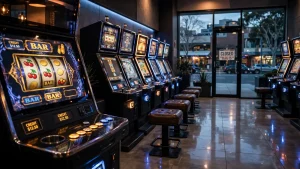
Poker machines and poker played at a table are different products, even when both appear under a casino’s gaming offer. A machine provides an individual game; a poker room is a space for table play, and a tournament is an organised competition with its own format and conditions. The distinction matters because a figure for machines says nothing about table availability, tournament schedules or the style of poker offered.
A specialist review reports that Crown Casino has over 3,500 poker machines. That is a claim about electronic gaming machines, not a count of poker tables. In industry copy, the word “poker” can do too much work: it may describe pokies, table poker or a tournament, although those are not interchangeable. I would read the wording literally before treating a machine count as evidence of a poker room.
A useful venue description would identify whether table poker is available and explain the format in plain terms. Cash games and tournaments are not the same thing. In a cash game, play is organised around a table and the rules for joining and leaving; a tournament runs as a structured competition, with entry conditions and a defined way of progressing. Those differences affect the time commitment and the nature of the play.
Tournament information is only useful when it is specific enough to establish what is actually being offered. A date, format, registration process and entry conditions would each answer a different practical question. A broad phrase such as “poker action” does not establish that a tournament is scheduled, or that a particular game is running. Promotional language often compresses several products into one label. The detail is what separates them.
I have seen this distinction matter in venue descriptions: a prominent reference to poker can create the impression of a dedicated room, when the wording may refer only to machines. That is not a small editorial difference. A player looking for table play needs different information from someone checking whether pokies are available. Clear categories prevent one from being mistaken for the other.
The word “rooms” can also point to accommodation rather than a poker venue. In a casino context, the surrounding words determine which meaning is intended. A hotel room, a poker room and a gaming area are separate things; one cannot establish details about another. Keeping those categories distinct avoids turning a general casino mention into a claim about a specific facility.
Sports-bar searches bring another venue type into the picture. A bar associated with a casino is not, by itself, evidence of table poker, a tournament or any particular gaming offer. The same applies in reverse: a reference to poker does not confirm that a sports bar is present. These are separate features, and descriptions are most reliable when they name the feature being discussed rather than grouping everything under “entertainment.”
“Open now” and “open today” are time-sensitive questions, not descriptions of poker facilities. A general casino reference cannot settle whether a particular room, game or event is operating at a given moment. Nor does an old tournament mention establish a current schedule. Status information needs to relate to the specific venue and activity, and its timing needs to be clear. Otherwise, the wording may be accurate in a general sense but unhelpful for a same-day decision.
For poker-related information, the useful distinction is simple: machine counts describe machines; room details describe table play; tournament notices describe organised competitions. A claim about one should not be stretched into a claim about the others. Separate labels. Clear meaning.
Breakfast, buffet and rewards searches often appear together because they describe different parts of a resort proposition. A breakfast listing concerns a meal; a buffet label describes a service format; a rewards programme concerns how a venue recognises customer activity. None of those terms, on its own, establishes what a particular Victorian casino currently offers.
I treat “buffet breakfast” as a claim that needs its own confirmation, not as shorthand for a general dining option. The wording can appear in an old listing, a third-party page or a broad description of a resort. Those references may not establish current availability, service times, booking rules or whether the meal is connected to casino play. Practical details matter more than the label. A plan built around breakfast should be based on current venue information, not an assumption carried over from a search result.
The same applies to the phrase “casino resort”. It can describe a broad destination concept without confirming which services are operating or included. A resort label does not mean that breakfast, accommodation, leisure facilities and casino rewards are bundled together. Each is a separate proposition, with its own conditions. Marketing language often compresses those distinctions. The small print restores them.
Rewards need especially careful reading. The word can suggest points, member benefits, offers or recognition, but it does not identify a programme’s actual rules. Without confirmed terms, there is no sound basis for saying how membership works, what activity earns a benefit, whether an offer applies to a meal, or whether any reward has an expiry or exclusion. Those details should come from the current programme terms, not from the name of the programme or a promotional headline.
I have found that the word “complimentary” can do a lot of work in casino marketing. It sounds unconditional; the conditions determine what it means. A benefit may depend on eligibility, availability or a separate booking requirement. The distinction is not a technicality. It changes what a customer can reasonably expect.
Breakfast and buffet searches also do not establish that a meal is included in a room rate or casino visit. Those are separate arrangements. Before making plans, the relevant question is not whether a page uses resort language, but whether the specific meal, price and conditions are stated by the venue for the intended date. If that information is not clear, the safest conclusion is simply that the arrangement has not been established.
Employment searches belong in a different category. A casino’s rewards programme is not an indicator of vacancies, and a resort description does not confirm available roles. Job titles, recruitment processes and current openings can change independently of guest services. Employment information should therefore be checked through the operator’s current careers material rather than inferred from general casino pages.
That separation keeps expectations realistic: a breakfast offer is not a rewards term, a rewards label is not a confirmed benefit, and resort wording is not proof of a package. The useful detail is the condition attached to each offer. Without it, the headline is only a headline.
Parking searches and online-casino searches may appear side by side, but they call for different checks. Parking is a practical question about reaching a physical venue; online play is governed by a national legal boundary. I have learned not to treat a familiar casino name as proof that every service associated with it is available.
For a visit to a casino in Victoria, terms such as free parking and valet parking describe different arrangements, not benefits that can be assumed from a venue’s name. A search result may repeat an old listing or leave out conditions. Before setting out, the useful detail is the venue’s current parking information: whether parking is offered, whether a valet service operates, and whether any charge or access condition applies. Those points need direct confirmation. No guess is worth building a trip around.
The same caution applies when dining or bingo appears in a search alongside parking. Those are separate venue services, not evidence that a particular parking arrangement exists. Keeping the questions separate makes the decision clearer: parking needs current operational information; dining and gaming need their own confirmation. A broad label such as “casino” does not settle either matter.
The legal distinction is sharper for online play. Under the Interactive Gambling Act 2001, Australian-based online casinos cannot operate within Australian borders. An online casino marketed as being in Victoria is not the same thing as a land-based casino operating in the state. The wording of a website or search listing cannot change the law that applies to an operator.
I have seen how “online” can make a service sound like a simple extension of a physical venue. It is not. Victoria’s casinos are monitored by the Victorian Commission for Gambling and Liquor Regulation, while online casino operations are subject to the federal framework. The regulator’s role should not be read as approval for an online casino to offer prohibited games to people in Australia. Different setting. Different rules.
Age is another clear dividing line. The minimum age for gambling in Victoria and elsewhere in Australia is eighteen, whether the activity is live or online. That does not make every online gambling service lawful: the age requirement and the rules on what operators may provide are separate matters. Meeting one condition does not override the other.
When weighing up a “best casino in Victoria” result, I separate the physical venue question from any invitation to play online. For a visit, practical details such as parking should be confirmed with the venue rather than inferred from a search snippet. For online casino-style play, the relevant question is whether the service can lawfully be offered to people in Australia under the Interactive Gambling Act 2001. A Victorian label is not a legal exemption.
That distinction matters because the same words can point to entirely different decisions. A parking enquiry concerns a journey to a physical casino. An online-casino enquiry concerns a service restricted by Australian law. I would not let a polished listing blur the two. Verify the practical detail; read the legal boundary plainly.
Accommodation near a casino is a separate decision from staying in a casino hotel. The practical question is how a particular property fits around the visit: its actual location, the route between it and the venue, and the terms attached to the booking. I treat “nearby” as a matter of journey, not a label in a listing.
A map can make two addresses look close while leaving the route unclear. The venue entrance, the accommodation’s stated address and the available way of getting between them all matter. A listing’s distance description is not a substitute for checking those details. If the visit depends on arriving at a particular time, the travel plan should be considered alongside the booking rather than after it.
The phrase “casino accommodation deal” can also blur different things. A lower displayed rate may apply only under particular booking conditions, while a package may bundle services that are not needed. I read the room description, what the price includes, cancellation terms and payment conditions as separate parts of the offer. The word “deal” is marketing. The conditions do the work.
I have seen how presentation can make a booking look simpler than it is: a prominent rate draws attention, while the restrictions sit elsewhere on the page. That does not make an offer poor value, but it does make the headline an incomplete basis for comparison. Comparing like with like is more useful than comparing the largest promotional claim.
For a casino visit, the surrounding area can matter as much as the property itself. A place that suits an overnight stay may not suit a longer break, and a convenient route at one point in the day may not be the route available later. The relevant details are specific to the dates and arrangements being considered, so assumptions based on a general description can lead to a poor fit.
Parking is another separate check, not something to infer from proximity. A property’s own parking arrangements and the options near the casino are distinct matters. The same applies to access: a map distance does not establish whether the route is straightforward, whether parking is included, or what conditions apply. Those details belong to the individual listing or venue information.
Searches for accommodation around a Victoria casino often sit alongside questions about location, promotions and trading hours. They should not be treated as one bundled offer. A room booking does not, by itself, establish any casino promotion, gaming access or opening schedule. I keep those decisions separate, then check each against the relevant current information.
The reliable comparison is not the most polished listing. It is the one whose location, journey, price conditions and practical arrangements are clear enough to assess. That is the useful distinction between a nearby stay and a merely nearby-sounding one.
A contact number, a bar listing and a concert announcement answer different questions, even when they appear beside the same casino name. I treat each as a separate claim. A number may connect to a general operator rather than a particular venue; a bar reference may describe a past listing; an event notice may have been published for a date that has already passed. None of those details should be taken as current merely because a search result still displays them.
For a contact enquiry, the useful check is whether the number or contact form appears on a channel clearly belonging to the casino or its operator. The name should match the venue being asked about, and the purpose of the contact route should be clear. If the enquiry concerns a booking, access, a lost item or a gaming issue, a general reception contact may not handle it directly. That distinction matters. A polished listing is not necessarily the right department.
The same care applies to bars and concerts. A venue name on an old event page does not establish that the bar is open now, or that the concert is still scheduled. I separate a permanent venue listing from a dated event announcement, then check whether the announcement identifies the casino, the event and the relevant date consistently. “Live” is an advertising word; in practice, it may describe a performance, a broadcast or simply the atmosphere being promoted. The wording needs context.
Maps can help establish whether a listing refers to the intended casino, but a pin is not proof of a current entrance, event venue or customer contact point. I compare the map label with the operator’s own venue information rather than treating a nearby result as part of the casino. Car-park searches have the same limitation: a map result can locate an area without explaining access or current arrangements. Those are practical details, not assumptions to make from a label.
Questions about baccarat or craps require a different check: whether the named game is actually offered at the particular venue and under what conditions. A game appearing in a general description of casino gambling does not confirm its availability at a specific property. I would not infer a table, schedule or format from the game name alone. Small distinction. Important one.
There is also a legal boundary between casino gaming in a physical venue and casino-style games supplied online. In Australia, the Interactive Gambling Act 2001 bars operators from providing real-money online casino games to people in the country, including games such as baccarat or craps when offered as online casino services. That restriction concerns providers; it does not make a search for a venue contact or event information equivalent to using an online casino. The minimum gambling age for live play in Victoria is eighteen.
In practice, contact, bar and event details are only useful when they can be tied to the right venue and a current notice. A name alone is not confirmation. A date and a responsible operator are the better signals.
“Open” can mean several different things in a casino search: a venue operating, gaming available, an event taking place, or a particular service running. Those are not interchangeable. In my experience, a broad status label is a poor substitute for a current notice covering the specific activity in question. Hours, event schedules, employment openings and development announcements can all change independently.
That distinction matters when a venue has temporarily closed or changed how it operates. A reference to a reopening may concern one part of a business rather than the whole casino. Likewise, an older review can describe conditions that no longer apply. I would treat review language as opinion and dated detail, not as confirmation of today’s opening status. Check the operator’s current communications and relevant official notices before relying on a claim. No assumption should be made from a search result alone.
Entertainment and events need the same care. A general casino listing does not establish that a concert, show or other event is scheduled, and an event announcement does not confirm the casino’s wider operating arrangements. Employment information is also time-sensitive: a past vacancy or recruitment reference is not evidence that a role remains available. For development news, the useful distinction is between a proposal, an announcement and a completed change. Those stages are often blurred in promotional wording. Different things.
Victoria’s land-based casinos are monitored by the Victorian Commission for Gambling and Liquor Regulation. That oversight is relevant to the physical casino sector; it should not be mistaken for approval of online casino services. Under the Interactive Gambling Act 2001, operators cannot provide real-money online casino games to people in Australia. A claim that a casino has reopened online therefore needs to be read differently from a notice about a physical venue.
A menu mention can also be mistaken for a broader operating update. It may refer to a particular offering, not establish that gaming, entertainment or the entire venue is open. Restaurant and food details are a separate subject; they should not be inferred from a headline about casino status.
For a useful casino review, the date and scope matter as much as the verdict. A review may assess an experience at one point in time, while development plans or operational changes occur later. I look for clear separation between what is confirmed as current and what is commentary, an old announcement or speculation. “Coming soon” is not a completed development. An opening claim without a stated scope is not a full status report.
The practical conclusion is narrow: treat hours, events, jobs and development as separate, changing facts. Use current operator announcements for operational updates and the Victorian regulator for the land-based regulatory context. Avoid reading an old review or an online reopening claim as proof of present-day casino operations.
A request for a casino spa, a venue address or a dress code can look like a simple planning detail. In practice, each depends on information that should be tied to the specific venue and checked close to the visit. A name such as Crown Melbourne identifies an operator, but the name alone does not establish a street address, spa service or entry policy.
I treat an address as more than a map pin. The venue’s own current directions should be checked against the destination selected in a mapping service, particularly where a large property may have separate entrances or arrival points. A search result, directory listing or old saved map can remain visible after details change. If the purpose is a particular appointment or casino area, the relevant entrance matters as much as the general location.
Spa information needs the same care. A spa associated with a casino is not automatically inside the gaming venue, open to every visitor or available without a separate booking. Those are different operating details, not assumptions to make from a shared brand name. The useful checks are whether the facility is currently operating, where it is located within or in relation to the property, what services it offers and how access is arranged. Without those specifics, a spa should not be treated as a confirmed part of a casino visit.
Dress rules can also vary by venue and by the area being entered. I would not turn a general impression of casino attire into a rule for a named property. The practical point is to check the operator’s current entry guidance before setting out, and to distinguish a formal policy from advice about what may be comfortable or customary. Those are not interchangeable.
The same discipline applies when an address appears beside information about games or other facilities. A listing can combine details from different parts of a complex, while the reader needs to know which building or entrance is meant. Confirming the venue name and destination together avoids treating a broad location as precise directions.
There is a legal boundary around the gaming side of any visit: in Victoria, gambling is restricted to adults aged eighteen and over. That condition does not verify spa access, dress requirements or an address; those remain separate venue details.
I keep the distinction simple: a recognised casino name is not a substitute for current operational information. Confirm the destination, facility status and applicable entry guidance through the operator’s own information before relying on them. No guesswork.
A restaurant search attached to a casino name can suggest a settled set of venues, but the phrase alone does not establish what is operating, where it sits or what it serves. I separate the broad label from the details that make a dining plan usable: a current venue name, its location, service times, menu and booking arrangements. Without those particulars, a list of supposed restaurants would be guesswork dressed as a directory.
That distinction matters in Victoria, where “casino” may refer to a particular property, while a general search for casino restaurants can mix venues, older listings and unrelated businesses. A result should be tied clearly to the casino itself before it is treated as an on-site restaurant. “At the casino” is a location claim, not a style of dining.
The same care applies to a restaurant described as rooftop dining. The phrase can imply a specific setting and view, yet it should not be repeated as fact unless the venue’s own current information confirms both the restaurant and its location. A rooftop bar is also not interchangeable with a restaurant; the words may appear together in a listing, but they describe different offerings. No assumption should be made from the label alone.
I have seen how directory copy can become more certain than the underlying information. A venue name remains online after hours, menus or operating arrangements change, and a short summary can make an old detail look current. The useful check is not a polished description but a direct, recent confirmation from the venue or casino operator. If that confirmation is absent, the detail stays unconfirmed. Plainly put.
For anyone comparing restaurants associated with a Victoria casino, the practical questions are specific: is the venue currently operating, is it inside the property, what kind of meal does it serve, and are reservations required? Menu descriptions should be read as descriptions, not promises that every item is available at every service. Accessibility, dietary options and current service arrangements also need confirmation rather than inference from a general casino page.
This approach avoids turning a broad search for a restaurant in a Victoria casino into a fabricated shortlist. It also keeps nearby businesses distinct from venues within the property. The difference can affect travel plans and bookings, even when a map or directory places both under the same general area.
A careful answer is sometimes narrower than a promotional one. Without confirmed venue-level information, naming restaurants, describing menus or claiming a rooftop setting would create detail rather than provide it. For dining plans, current operator information is the point at which a general association becomes a dependable fact.
Food-court and pool searches point to different parts of a casino visit, but neither phrase confirms that a particular venue provides the facility. I separate the two before making plans: a food court means a shared area with multiple food options, while a pool is a leisure amenity. Neither should be assumed from a casino’s size, resort-style branding or a broad description of its facilities.
I have seen how “all under one roof” can do a lot of work in promotional copy. It may describe the general character of a complex without specifying which amenities are operating or available to visitors. The detail matters. A food area could have access conditions or service arrangements that are not clear from a short listing; a pool could be part of accommodation or another facility rather than a general casino amenity. Those distinctions should be confirmed before they shape an itinerary.
For food in Victoria casinos, the useful check is whether the venue’s own current information identifies a food court, rather than simply mentioning food or dining. That avoids treating a collection of separately described outlets as a shared court. Restaurant-specific options are a separate question.
Pool access needs the same precision. A reference to a pool does not, by itself, establish its location, opening status or who may use it. Those details can affect whether it belongs in a casino day visit at all. The practical standard is simple: confirm the facility and its access terms directly with the venue before travelling, rather than relying on a general description.
In my experience, broad labels are where assumptions creep in. A food court is not interchangeable with a restaurant, and a pool is not an automatic part of a casino visit. Verify the exact amenity. No guesswork.
Australian law prohibits online casino operators from offering casino-style games to people in Victoria. However, it is not illegal for an individual to play at an offshore-licensed casino.
Yes. The Victorian Commission for Gambling and Liquor regulates land-based casinos and wagering in Victoria, while the Australian Communications and Media Authority enforces the Interactive Gambling Act 2001 federally.
Offshore casinos are not licensed or regulated under Victoria’s gambling system, so players may have fewer protections if payment, account or complaint disputes arise.
You must be at least 18 to gamble in Victoria, whether online or in person.
Online sports betting and wagering on horse, harness and greyhound races are allowed when provided by operators licensed in Australia. Online casino games such as slots, roulette and blackjack cannot legally be offered to Australian players.