Hotel arrangements, gaming and venue details are considered separately, with unverified Brisbane-specific claims left open for direct checking.
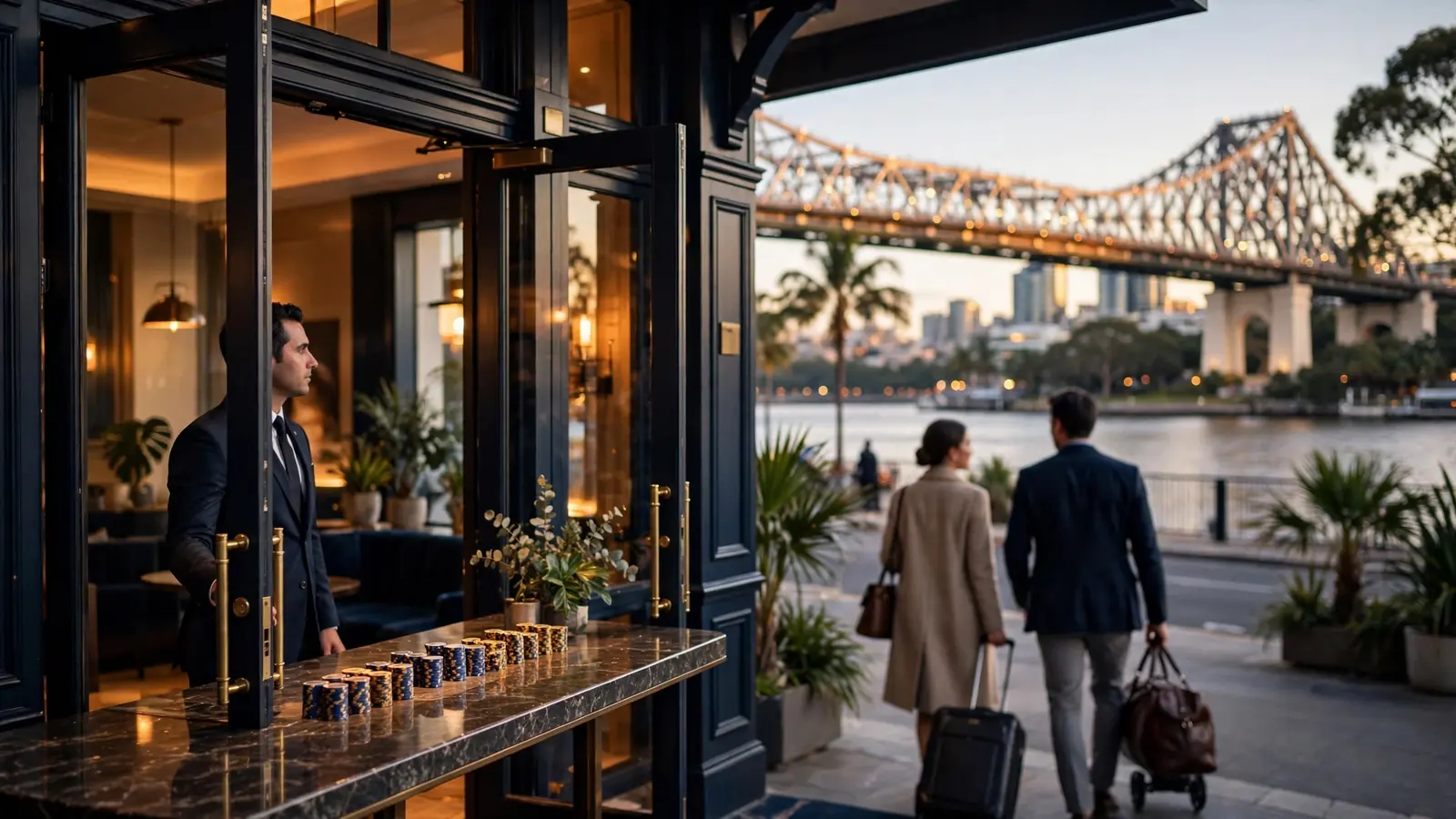
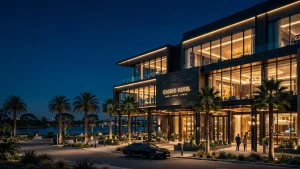
A Brisbane casino hotel can mean a hotel operated by a casino, a hotel connected to one, or simply a room promoted alongside a casino visit. Those are different arrangements, even when a page title or booking result makes them look interchangeable. I separate the wording from the actual offer: who operates the accommodation, what the booking includes, and where the room is located.
That distinction matters because “casino hotel” can function as a label rather than a precise description. A listing may refer to a partner property or a package, not a hotel owned or managed by the casino. A room described as being at a casino may be in a separate building, or the phrase may merely link the stay to the destination. The brand language does not settle the operating relationship.
A useful hotel listing identifies the property itself, the room category and the terms attached to the rate. The property name should be consistent across the booking page and the operator’s own information. Room descriptions should make clear what is being booked, rather than relying on broad phrases such as “luxury stay” or “casino experience”.
Choosing a casino for Brisbane means weighing the details that matter to you, such as licensing, deposit options and payout information. This guide highlights the available facts to help you assess the listed operators.
Neospin
Neospin is listed with a Curacao Gaming Control Board licence, OGL/2023/176/0095, held by Hollycorn N.V.
Ricky Casino
Ricky Casino lists crypto payouts in under an hour and PayID payouts in 1–3 business days. Its minimum deposit is A$20, or A$30 to qualify for the bonus.
Roby Casino
Roby Casino is listed as licensed by Curacao eGaming, with Roby Games Ltd as the operator.
Uptown Pokies
Uptown Pokies is listed as Curacao-licensed and has been operating since 2017. Its minimum deposit is A$20.
7Bit Casino
7Bit Casino is listed as Curacao-licensed and operated by Dama N.V.
SpinsUp
SpinsUp is listed with a Curacao Gaming Control Board licence, OGL/2023/174/0082, held by Dama N.V.
Lucky Dreams
Lucky Dreams lists a Curacao licence and a A$20 minimum deposit using POLi.
LuckyVibe
LuckyVibe is listed with a Curacao Gaming Control Board licence, OGL/2023/176/0095, held by Hollycorn N.V.
Golden Pokies
Golden Pokies is listed as Curacao-licensed.
Bizzo Casino
Bizzo Casino is listed with a Curacao Gaming Control Board licence, with TechSolutions Group N.V. named as the operator.
I pay particular attention to the difference between a room rate and a package. A package might bundle accommodation with another service; a standard room rate may not. Promotional wording such as “exclusive deal” is not enough to show what is included. The conditions are where the practical meaning sits: cancellation rules, payment timing, taxes or fees, and whether the displayed price applies to the selected dates and room.
A low headline price can also be conditional. It may depend on dates, availability, length of stay or a booking channel. Until those details appear at the point of booking, “deal” is a description of the promotion, not proof that the same rate applies to every stay. No magic in the label.
For anyone comparing Brisbane casino hotels, the key question is not whether the words appear together, but whether the accommodation is actually marketed and managed as part of the casino property. A casino’s name in a search result, map label or travel package does not by itself answer that. The distinction affects who handles reservations, room requests, changes and complaints.
The same care applies to “casino hotel rooms”. A hotel may offer several room types, but a general page about the property does not confirm the details of every category. Room size, view, accessibility features, bedding and included services need to be checked against the exact room selected. Pictures can help with context; they are not a substitute for the room description and booking conditions.
I also keep accommodation decisions separate from assumptions about the casino itself. A hotel booking does not establish what facilities are included, what access is provided, or whether any particular benefit attaches to the stay. Those terms need to be stated in the offer. If they are not, the booking should be understood as accommodation only.
An online booking page and an online gambling service are not the same thing. A hotel reservation is a travel transaction; it does not make an online casino service lawful in Australia. Offshore gambling platforms sit outside Australian regulation, even where a platform is accessible. That is a separate issue from whether a hotel can take a reservation.
This separation is useful when hotel promotions and casino branding appear side by side. A package can promote a visit or a stay without changing the legal status of online gambling. The wording should be read for what it actually offers, not treated as evidence that every linked service is approved or regulated locally.
In practical terms, the most reliable comparison is between the named property, the exact room and the conditions shown before payment. Brand association alone is thin evidence. A room offer is only as clear as its terms.
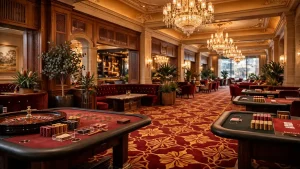
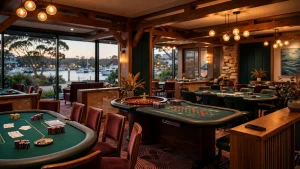
Poker and pokies are often folded into the same idea of casino gambling. Operationally, they are different. A poker room refers to a setting for card games between players; a tournament is an organised format with its own entry conditions and schedule. Electronic Gaming Machines (EGMs), by contrast, are individual machines. Evidence about one does not establish what is available in the other.
I learned to be precise about those labels because they shape expectations. “Poker room” sounds like a defined facility, while “tournament” suggests a scheduled event with rules for entry and play. Neither term, on its own, says anything about the other. A listing for a casino’s rooms may mean accommodation, not a card-playing space; a sports bar is another distinct facility again. Familiar wording is not proof of a shared service.
The NSW comparison needs the same discipline. Club Liverpool is notable for having more operational poker machines than any other club in that state. That is a statement about machine numbers at NSW clubs. It does not describe a Brisbane poker room, a Brisbane tournament, or the availability of card games at a casino in Queensland. The wording matters: poker machines are not poker tables.
NSW also sets a legal minimum age of eighteen for gambling on poker machines. Its mandatory pre-commitment arrangements require players to set a loss limit before they begin playing. Those are jurisdiction-specific rules attached to machine gambling. They should not be carried across state lines or treated as rules for a live poker tournament. Different activity, different regulatory question.
That distinction is easy to lose in broad venue descriptions. A casino may be discussed alongside poker, machines, accommodation and bars, but each label calls for separate confirmation. In practical terms, a tournament listing needs details such as the event format, registration conditions and date; a room description needs to identify what kind of room it means. Without those particulars, a heading is only a heading. It does not establish a current event or facility.
The same applies to claims about poker at a Brisbane casino. A NSW club’s machine ranking cannot substantiate them, and NSW machine rules cannot settle the conditions for a Queensland card game. I would keep the comparison narrow: it can explain how NSW treats poker-machine gambling, but it cannot serve as a proxy for Brisbane’s poker offer. That is the boundary.
Searches that combine a casino, rooms and a sports bar may be expressing several separate needs at once. Treating them as one package risks confusing accommodation with gaming space, or a bar with an event venue. The words should be read in their ordinary sense, then checked against the precise service being described. “Poker” alone is not enough.
For anyone assessing a claim, the useful evidence is specific to the activity and location: an event notice for a tournament, a venue description for a poker room, and applicable Queensland rules for local requirements. NSW information remains useful only within its proper scope. It tells us about NSW poker-machine settings—not Brisbane card rooms.
A buffet label can carry more weight than it deserves. In venue marketing, “buffet breakfast” might describe a particular service period, a package condition or a format that changes with the day. The phrase alone does not establish what is served, when it is available, whether booking is required or whether access is tied to accommodation. I treat those as separate details, not as promises bundled into one attractive heading.
The same applies to buffet searches more broadly. A page may describe a past offer, a function arrangement or a dining option at a different property. Before relying on it, the useful checks are the current venue’s own menu or booking information, the dates that apply and any conditions attached to the offer. If those details cannot be matched to the venue and the intended visit, the word “buffet” is doing more work than the information behind it. A label is not a menu.
Breakfast needs its own check. A breakfast service may differ from a buffet, and neither term confirms whether it is included with a stay, sold separately or available to non-guests. Package wording matters: “included” can be limited by the booking type, while a displayed price may depend on dates or other conditions. I look for a direct description of what the booking covers, rather than assuming that a breakfast mention means an open, walk-in service.
“Resort” is another broad word. It can suggest a single destination with rooms, dining, leisure facilities and guest services, but the term by itself confirms none of those specifics. In my experience, the operational distinction is simple: a marketing category is not an inventory. Each facility and service needs its own current description. That is especially important when a page combines several offerings under one resort label.
Rewards language also needs careful reading. A rewards programme could refer to points, member access, booking benefits or a promotional offer; the heading does not establish which applies. The terms should identify who can join, what earns or uses rewards, and whether an offer has exclusions or an expiry condition. I would not treat a sign-up prompt as evidence of a particular benefit. Fine print is the product specification.
Employment searches are different from hospitality searches, even when they use the same venue wording. A job listing should identify the employer, role, location and application route. A generic vacancy page does not establish that a particular position is open or that the work is directly with the casino rather than with another business operating nearby. Current listings and the named employer matter. So does the closing date, if one is stated.
There is no shortcut in the wording. “Breakfast,” “buffet,” “resort” and “rewards” each point to a different decision, and none should be allowed to stand in for details it does not contain. I separate the service, the conditions and the dates before treating an offer as usable. That is the practical test. Labels are cheap. Terms decide.
Parking is a practical part of planning a visit, but the label attached to a car park can imply more than it proves. A search for parking at a Brisbane casino does not establish that parking is available, that it is free, or that valet service is offered. Those are separate arrangements, each requiring confirmation from the venue before travel plans depend on them.
I have seen how a short phrase such as “free parking” can flatten several conditions into one attractive promise. It may refer to a particular period, an eligibility rule or a facility separate from the venue. Without confirmed terms, none of those interpretations should be treated as applicable here. The same goes for valet parking: the phrase describes a service, not evidence that one operates at a particular address.
The useful distinction is between a visitor’s transport question and a claim about a facility. A current venue channel is the right place to establish where vehicles may be left, whether any fee applies, whether valet service is operating and whether access conditions affect the visit. Details can change, and a map pin or an old listing is not a substitute for current confirmation. A car park can also be nearby without being controlled by the venue. That matters.
The online-casino wording belongs to a different category. It does not describe a way to arrange a physical visit, and it should not be read as an invitation to play online instead. Under the Interactive Gambling Act 2001, an operator based in Australia cannot lawfully offer real-money online casino services to people in Australia. Online casino games such as pokies, blackjack and roulette are restricted when offered by operators to customers located here.
That legal distinction is easy to blur because the same venue-related terms may appear beside online games, bingo or dining in a search result. But a physical casino query and an online gambling service are not interchangeable. A reference to a Brisbane casino online does not confirm that an online casino service is available to Australians, nor does it change the law governing those services. The setting matters: the Act applies to online services provided to people physically in Australia.
I would keep the two decisions separate. For a visit, establish the venue’s current parking arrangements directly; do not infer free or valet parking from a search snippet. For online casino play, the relevant point is the restriction under Australian law, not whether a website displays games or accepts an account registration. An online listing is not proof of lawful availability.
No assumption needed.
A stay described as “near the casino” is not necessarily connected to the venue. In accommodation listings, “near” can mean a short walk, a drive, or simply the same broad part of the city. I separate independent hotels and other stays from rooms sold as part of a casino property; the wording of an advert does not establish an affiliation.
The practical question is not just whether a listing uses the casino as a landmark. It is whether its location suits the trip, and whether the stated price covers the dates and conditions that matter. A map can help assess the route, but travel time may depend on the exact address, transport choice and time of day. Without a confirmed property address, there is no sound basis for describing a particular stay as the closest or most convenient.
“Deal” is another flexible label. It might refer to a lower displayed rate, a package, or an offer subject to booking conditions. The headline alone does not show what is included, whether the price applies to the intended dates, or whether changes and cancellations are allowed. I would treat a promotion as a claim to check against the property’s own booking terms, not as a guaranteed saving.
That distinction matters when accommodation is being compared with a casino visit. A room rate and a gaming promotion are separate offers, even when they appear together in advertising. One does not prove the other is available, and a stay should not be described as a casino package unless the booking terms actually connect the two. No assumption of complimentary entry, transport, meals or gaming credit follows from the word “package”.
I have seen how small print changes the meaning of a headline. A rate can be tied to selected dates, a particular room category, advance payment or other conditions. Those details are not extras; they determine whether the advertised figure can be used for the intended stay. The booking page should identify the property, dates, room basis and cancellation conditions before a price is treated as comparable.
Independent accommodation searches also tend to mix several decisions: where to stay, how to reach the venue, and whether a visit fits the planned schedule. These need separate checks. Opening hours and parking arrangements are not established by a hotel listing, and a nearby address does not confirm access to a casino facility. Keeping those questions distinct prevents a lodging description from doing more work than it can support.
For Brisbane, claims about particular nearby properties, current prices and casino-linked accommodation deals should be checked at the point of booking rather than inferred from broad labels. The wording “casino accommodation” can describe proximity, branding or a genuine package; those are not interchangeable. Until the actual terms are clear, the useful comparison is simply between independently confirmed stays and their stated conditions.
No headline is a booking term.
A contact number, street address or map pin is only useful if it belongs to the intended venue and is current. I have seen the cost of treating a search result as a checked detail: a number can lead to a general switchboard, while a map pin may mark a nearby entrance or a wider precinct rather than the point a visitor needs. Those distinctions matter when arranging a meeting, a taxi or access to a particular part of a site.
For Brisbane casino contact details, the dependable route is the venue’s own official website or its verified business listing. Check that the page identifies the Brisbane property, not another casino with a similar name, and that the contact information is presented as current. A directory entry can be useful for orientation, but it is not the same as confirmation from the operator. If a call concerns a specific service, the operator’s contact page can show whether the number is general or directs to that department.
The same discipline applies to an address or map. A search result may put a venue marker on a broad development, while the usable entrance, drop-off point or pedestrian route is elsewhere. Compare the map with the operator’s own directions before relying on it. I would not treat a pin, a copied address or a third-party listing as proof of where to enter. Check the source, then check the route.
“Casino bar” is another phrase that can mean different things: a bar within a venue, a nearby licensed bar, or simply a place someone expects to find on a map. The words alone establish none of those details. They do not confirm a particular bar, its location, or whether it is operating. Those are venue-specific details, not part of a general contact answer.
Baccarat and craps need a separate distinction. They are casino games, not a way to establish what a physical Brisbane venue offers. Under Australia’s Interactive Gambling Act 2001, operators cannot provide real-money online casino games to people physically in Australia; the restriction covers casino-style games such as baccarat and other table games, as well as pokies. A page promoting online play as an option for someone in Brisbane would blur a material legal line. Physical-venue information and online gambling services are not interchangeable.
Sports betting is different in the legal framework: it remains widely accessible and legal in Australia. That does not make it an online casino game, nor does it confirm that a particular venue offers a betting service. Separate categories. Separate checks.
When I handled enquiries, the wording of a question often mattered more than the first result on screen. A request for “the casino number” might mean general reception, directions or a particular service; a map request might mean the building or the correct arrival point. The practical answer is to confirm the intended venue through its official channel and use its own directions for the visit. No guesswork.
A search for whether a Brisbane casino is open can mean several different things: whether a physical venue is operating, whether a particular part of it is accessible, or whether a planned development has reached a stated stage. Those are separate checks. A reopening headline, for instance, does not establish current operating hours, and an announcement about development does not by itself confirm that a public venue is open.
I have learned to treat an opening time as a time-sensitive operational detail, not a permanent feature of a listing. It can depend on the date and on which service or area is being discussed. The practical check is a current venue notice or direct confirmation for the intended visit. Without that, a time repeated on an old directory or in a past article should not be treated as today’s schedule.
Events need the same discipline. A dated listing can refer to a past programme, a proposed event or a booking in a particular space; none automatically establishes what is happening now. Confirm the event date and whether the listing is an official, current announcement before making plans around it. “Entertainment” is a broad label, not a programme. Specific performers, event schedules and ticket arrangements cannot be inferred from it.
Development news also has its own timeline. A proposal, construction update and completed public opening are not interchangeable milestones. Employment interest is similarly distinct from a confirmed vacancy: a development may prompt speculation about jobs, but that does not establish recruitment, roles or application details. I would look for a current announcement from the relevant operator or project source before treating either as settled.
The same caution applies to reviews. A review can describe a visit at a particular time; it does not guarantee that operating conditions, events or services remain unchanged. Its useful details are the date and the specific experience described. A menu mention is not a reliable substitute for a current menu or service notice, and I would not infer one from an event listing.
One boundary matters when an “open” result leads to an online casino rather than a physical venue. Under the Interactive Gambling Act, an Australian-run online casino cannot legally offer its services to people in Australia. That restriction concerns online gambling services; it does not answer whether a bricks-and-mortar venue is open or hosting an event. Different question.
A spa search can create a picture of a casino visit that the venue itself may not offer. A day spa, treatment rooms and access arrangements are separate questions, not features that can be inferred from the word “resort” or from a casino’s location. I would confirm whether a spa operates at the venue, whether it is open to non-guests and what services are currently available before planning around it. A name in an old directory or a third-party listing is not enough. Details change. Check directly.
Dress-code wording needs the same care. “Smart casual” sounds clear until staff have to apply it at an entrance: footwear, sportswear and clothing for particular areas may be treated differently. A general venue policy may not cover every bar or event space. The practical point is to check the current entry conditions for the specific area being visited, rather than assume that one rule applies throughout the property. If there is uncertainty, confirmation from the venue is more useful than relying on an old visitor comment.
The same distinction applies to bars and games. A search for bars can mean a specific licensed space, while “games” may refer to gaming facilities or entertainment elsewhere on site. Neither phrase establishes what is operating, where it is located, or what entry conditions apply. I would look for current venue information and treat third-party descriptions as a lead, not a guarantee. Marketing labels are broad. The operating detail matters.
Careers information also belongs to a different category from visitor amenities. Recruitment pages and job listings can change quickly, and an old vacancy may remain visible after the position has closed. Employment conditions and application routes should be checked through the organisation’s current recruitment channel, not inferred from a venue directory.
For a Brisbane casino visit, the useful checklist is therefore specific: confirm whether the spa exists and who may use it; check the dress requirements for the intended space; establish which bars or gaming areas are currently available; and use current recruitment information for employment enquiries. None should be filled in by assumption. I have seen how a broad label can outlive the service it once described. Fine print first.
Online casino services are a separate matter from facilities at a physical venue. Offshore platforms may sit in a legal grey area for Australian players and are not regulated under Australian law; that does not establish anything about a Brisbane venue’s amenities or entry policies. Keeping those subjects separate avoids mistaking an online offer for an on-site service.
Restaurant searches tied to Brisbane’s casino can mean several different things: a place to eat inside the venue, a restaurant nearby, or somewhere with a particular atmosphere. The wording alone does not establish which businesses are operating, what they serve, or when they are open. I would not turn a familiar-sounding name or an old listing into a current recommendation.
That distinction matters because restaurant details change on their own timetable. A listing can remain online after a menu has changed, a service has ended, or trading hours have been revised. A page that says “open” may also refer to a different part of a complex rather than a restaurant. The label is not the confirmation.
For anyone comparing dining options at or around the Brisbane casino, the useful checks are specific: whether the business is currently operating, whether its address places it inside the venue or nearby, and whether its own current information confirms the menu and service times. For a booking, an event or a particular dietary requirement, those details matter more than a general directory description. I would check the restaurant’s own current listing or contact channel before treating a third-party result as dependable.
“Restaurants at the casino” suggests businesses within the venue; “restaurants near the casino” can refer to independent places in the surrounding area. Those are not interchangeable categories. A map result may be close without being part of the casino, while a venue listing may group several services under one address. The location label needs to be read carefully.
The same caution applies to searches for a rooftop bar. That phrase describes a type of venue, not proof that one operates at the Brisbane casino. I would not infer a rooftop location, bar service, view or opening schedule from the wording of a listing. Each detail needs current confirmation from the business responsible for it.
There is a further distinction in this market: sports betting remains widely accessible and legal in Australia, but that fact says nothing about which restaurants or bars operate at a casino. Dining and wagering are separate services. One should not be used as evidence for the other.
I have seen how easily a directory entry becomes treated as a promise. It is only a lead. Before making plans around a named restaurant, its current operation, location, menu and hours should be confirmed through a current business-controlled source. Without that check, a confident list would be more polished than reliable.
No invented shortlist. Just verification.
Food and pool facilities shape the practical side of a casino visit, but a venue’s name alone does not establish what is on site. “Food court” can mean a shared dining area with several counters, while “food” may refer to anything from a café to a full-service operation. Those are different arrangements, and the label is not a reliable guide to menus, service hours or availability.
The same applies to a pool. A pool may belong to a hotel or leisure complex rather than the casino itself, and access can depend on the facility’s rules. Treating it as part of the gaming venue without checking could send a visitor with the wrong expectations. A claim that a Brisbane casino has a food court or pool needs direct confirmation from the venue, including whether the facility is open to non-hotel guests.
I have seen promotional wording compress several separate businesses into one polished destination. That makes the offer sound seamless; in practice, dining, accommodation and recreation can have different operators, entrances and access conditions. Convenient copy. Separate arrangements.
The useful distinction is between a casino’s gaming operation and amenities that may be nearby, attached or independently run. Before making plans around a meal or swim, confirm the exact facility and its current access details through an official venue channel. A map pin or a broad “resort” description is not enough to establish what is included.
Online casino services are a separate matter from visiting a physical venue. Offshore platforms may be accessible to Australians, but they are not regulated under Australian law; that does not make them equivalent to local, in-person amenities or a substitute for checking what a Brisbane venue offers.